
That's Water Lettuce!
Flora's antihero

ALSO KNOWN AS: Nile cabbage, Pistia stratiotes, water cabbage, shell flower, Jalkumbhi
Think about the skin of still water. Paper clips impress the top; a resistance small enough to make a person stop and wonder: Is this thing alive? Water plants are flexible. They work with the flux and thickness of their homes. Seeds float, their skins are slick, they bulge with air and gas. Far from the rabbits on vegetable gardens where it looks like it should grow, water lettuce is the most successful aquatic plant in the world, so prevalent it makes waterways into green carpets - to the horror of many. Though the chartreuse expanses are more an indictment on human activity than plant cruelty.
Lily’s Water Cousin
I wouldn’t think of an arum floating. Consider this family: skunk cabbage, lily, corpse flower. They’re solid plants, looking like they’d be stones in the water. They don’t have complicated flowers. No petals, but strong bracts, a spathe, that look like curtains opening into the flower’s chamber. Therein, the flower itself is usually pebble-like: A spadix, pocked with pollen and nectar.
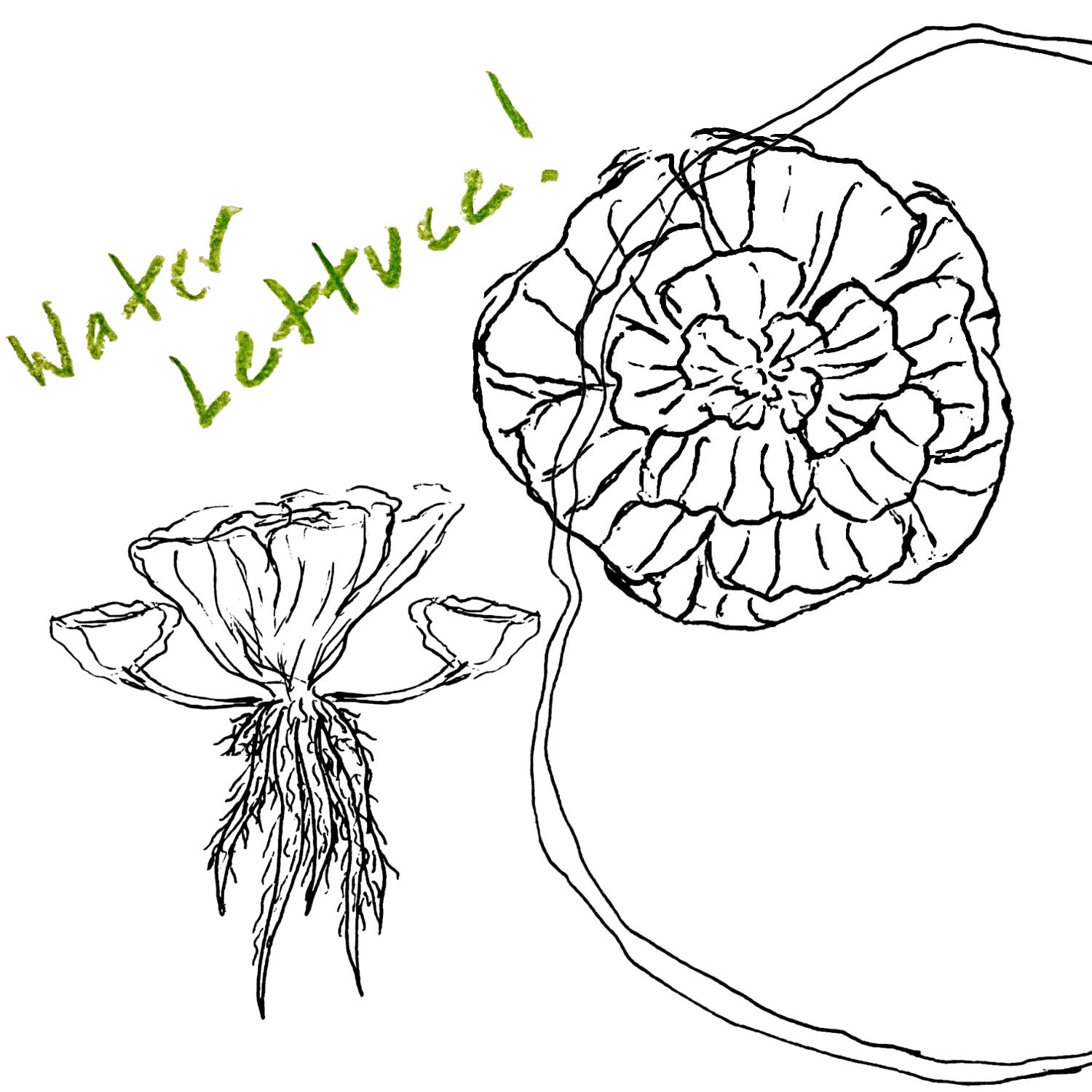
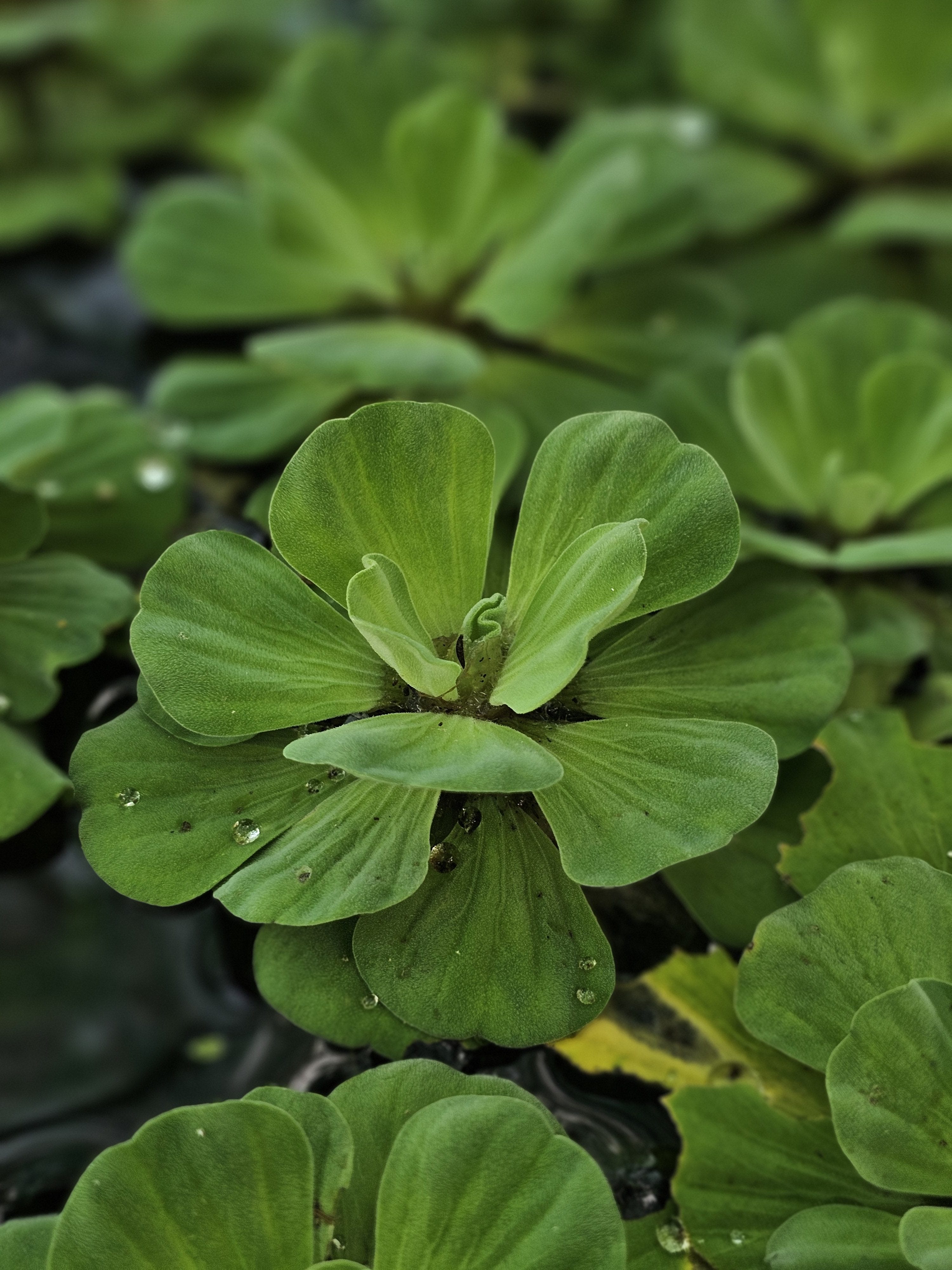
As an arum, water lettuce is unlike any of its family members. First, it is beautiful. The leaves are softly indented like the surface of teeth, and they frill at the ends. They form a whimsical rosette on the top of acidic water. I imagine Barbie would like it. It is a green that goes well with her pink, and it opens like a head of lettuce on the water’s surface to make a quaintly surreal scene.
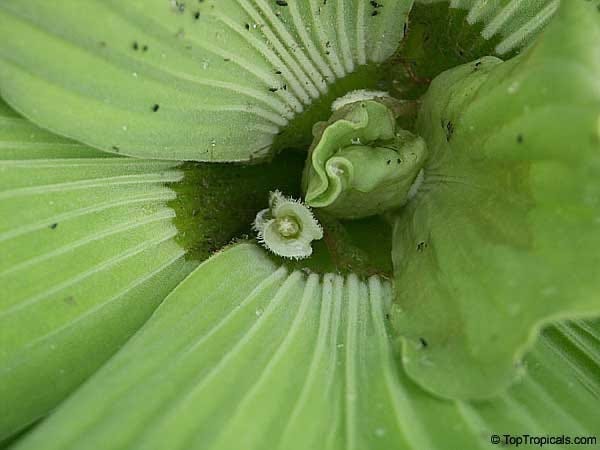
Water lettuce is a basket. Interlocked hairs peel water off themselves and hold air, keeping the plant up and relatively dry. It is entirely free floating, connected only by underwater stolons that slither through the water for up to two feet across with rust brown meristems. The stolons create daughters that grow beside their mother plants. The roots, swaying below them, have hairlike appendages that look like feathers. The flower is nearly invisible at first glance, tucked in the rosette of leaves as a fuzzy speck found only by little insects or the subtle hands of wind. Once pollinated it grows green berries. The berries contain a handful of seeds that once released from their fleshy homes, laze along the water for days before falling and germinating in the rich soil below.
Pistia only has minor variations from Florida to Uganda, from Australia to Guatemala. Only recently scientists decided they should be three different species. But they don’t have names yet. Just “water lettuce.”
Circles and Great Lakes
Growing up we used to hear about Buffalo, New York. Yards of snow would fall consuming houses every year. I would wish I was a Buffalo student so I could have a full week of snow days. We never got snow like that by Albany. Only when I drove by Chicago did I entirely understand Buffalo’s blessing. A cloud bigger than a mountain trembled over Lake Michigan and shook itself off in such tremendous and sudden rain the world became water. A great lake acts like a small ocean. If you’ve spent time near a great lake you know what I mean. It’s sudden and unpredictable, like the lake itself extends beyond its borders and inhabits the very sky above it. Lake Victoria, situated mostly in Tanzania, is smaller only than Lake Superior, in the world, but it holds a similar power.
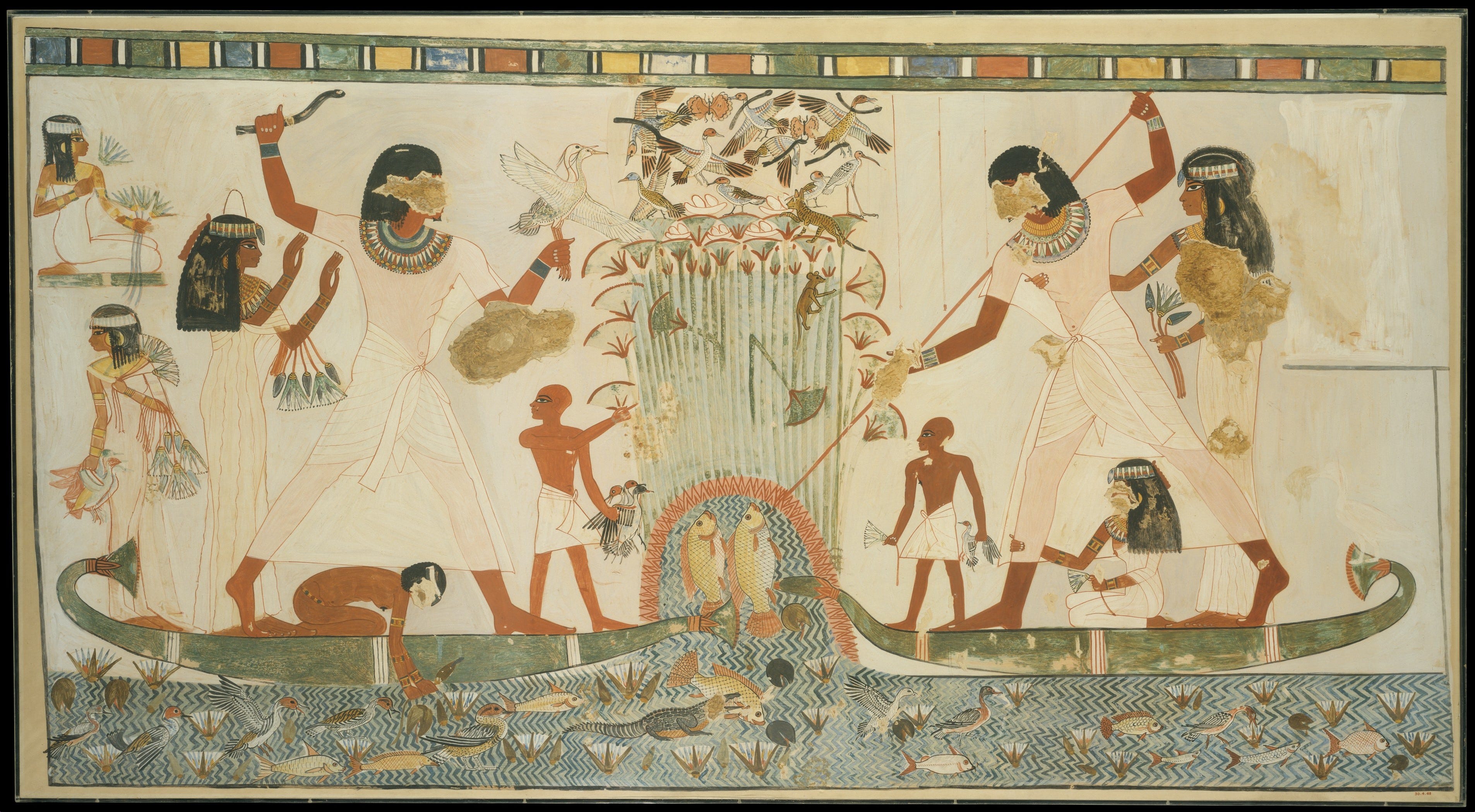
In the local Baganda tradition, bowl rituals connect earth, sky, and water. Here Lake Victoria swirls with massive meaning. It is also vaguely spiralic, with fringes at the edges where water lettuce expounds. Lake Victoria has one outlet: it is the house of the mighty Nile. Water lettuce traces the entire length from the clay White Nile all the way to Egypt where it has appeared in hieroglyphs. From there, Dioscorides and Theophrastus described it and it donned the name Pistia stratoites connecting the word water to warrior.
Many Baganda people of the region around Lake Victoria believe that there is a great serpent, a god, Mukasa, who stirs in the lake and controls the weather. Many will not cross the center of the lake because of the god who lives there. Even those who live on islands have been viewed with suspicion. A soldier doesn’t have to be huge, a soldier just has to know their mission. Speak to water lettuce no more about the job they are meant to do. Like it or not. They’ll shape water with the steady persistence of a soldier.
It’s hard to believe, but water lettuce is native to tropical regions all over the world. It grows so quickly many have thought it to be invasive. The plant grows like it knows no pain. Like it’s got no predators at all. Stacks of warnings call for the eradication of water lettuce. I saw an instagram account of someone whacking invasive species with righteous anger. The anger is real. Colonialism has made it so ecosystems are exposed to species they are not prepared to manage, along with detrimental cutting and transforming of those very ecosystems in favor of productivity. The climate is changing, war is disrupting plant life. In polluted or disrupted situations, water lettuce can create hypoxic environments that cut the light and oxygen out of the body of water and suffocate everything below.
And yet, the shade may be beneficial to the water. And yet, water lettuce may be good. It’s just a matter of what we, humans, do to our waterways.
People have spent their lives fighting back water lettuce, and still it grows. They overrun slow moving streams, lakes, and ponds. They love places where disruption has been done, where pollution has increased, where herbicides have run off. Like some kind of nervous tick, they explode with neglect and chemical imbalance. Any time you see a mass of a single plant, ask yourself what has been neglected here? What is not being seen? Simple as an empty bowl: what longs to be here?
Anyone would look at Lake Suchitoto in El Salvador that is so covered with water lettuce it has become impossible for people to fish and see it as a blight, a plant with base intentions. The effects are tremendous. People’s livelihoods are compromised. But the plant is responding to pollution.
Even though it looks dire, water lettuce is trying to make good. Studies have shown that water lettuce can dissolve 90% of residue from the clomazone herbicide, as well as metals, sewage, and fluoride in fresh water. It looks so silly there, until there are one thousand - one million - cabbage heads floating over the water. It looks so quaint while it transforms the water that it lives on.
Green Fossils
Not all fossils are dead. Some of them are alive. They keep living the same way they did for millennia. We’re not fossils. But water lettuce is.
85 Million years ago there were birds. Plants love birds of course. We can thank our winged companions for berries. But water lettuce found the other half, as the feather roots in the water suggest. Water lettuce has been clearing the waters of bird poop for longer than many continents have existed.
Water lettuce has calcium oxalate crystals, so it is not edible. But it has been used as a medicine. It has steroids, sterols, terpenoids, flavone glycosides, lipids, carbohydrates, proteins, vitamins A, B, and C. Remedies made with the plant have been used to treat dysentery and tuberculosis. The ashes of the plant were used for the treatment of ringworm of the scalp. The leaves were employed to treat skin problems such as leprosy, ulcers, and poxes. The juice numbs minor cuts.
Manatees eat water lettuce and fish nibble at the roots. It is a larval host to many insects, including Salvinia stem borer moth, a slight golden white being native to the southern hemisphere and who, if given full reign, would eat the entire plant whole. It is also home to the black soldier fly who eats up the blooming clouds of algae. None of these species are endangered whatsoever.
Water lettuce hangs on the balance, a perfect antihero. While it is a water cleanser, it can be home to malaria bearing mosquitoes.
When I think about water lettuce I can see how like a soldier of the water it is. A knight, if you will: someone who has a code. Water lettuce also likes a little management, I think. It made a promise millions of years ago to a fresh water sovereign, that same one with snakeskin, that it would maintain an equilibrium by filtering strong imbalances. A warrior goes to the edges of its realm. It would be the mediator between its promise and whatever arguments there are against it. Because a true warrior does not work in blindness, but understands in their heart the thrust and truth of their purpose.
There is a goldilocks balance it can hold that makes it so the water is fresh. While it manages the sun over the water like lovely parasols, it is present to what is below. A tropical waterway that is completely devoid of any shade is susceptible to algae bloom. The story of blame and responsibility has many expressions. The great beasts of our world will save us and they will kill us, there really isn’t any way out of that. So we will try and learn about them, learn with them to find the patterns of relationship that ingratiate them to us.
This may be why I love aggressive species. I’m a people pleaser. It doesn’t like me? It doesn’t care at all? I’m going to try even harder to understand what this aggressive behavior is trying to say. Why do people seem to hate it so much? It’s important that if there is an imbalance there should be someone to call out. A water lettuce understands with its massive cloud of green, with all the oxalate crystals inside of it, that you can’t be nice all the time. You’ve got to push and cry out when the waterways suffer.
myth for water lettuce
Text for myth Music: Isabella Leonarda, Vivace a Largo
Forager Friendly?
Not to eat! And probably not to travel with or plant. It will plant itself on its own, thank you very much. I’ve heard it’s good for hurling at friends like topical snowballs.
sources
https://en.wikipedia.org/wiki/Pistia
https://www.missouribotanicalgarden.org/PlantFinder/PlantFinderDetails.aspx?taxonid=276427
https://liisma.org/water-lettuce-pistia-stratoites/
https://www.britannica.com/place/Lake-Victoria
'https://nas.er.usgs.gov/queries/factsheet.aspx?SpeciesID=1099
https://www.inaturalist.org/taxa/324645-Samea-multiplicalis
https://ancientengrtech.wisc.edu/ancient-egypt-water-engineering/#main
https://myfwc.com/wildlifehabitats/habitat/invasive-plants/weed-alerts/water-lettuce/
https://www.sciencedirect.com/science/article/abs/pii/S0045653519306599
https://www.nature.com/articles/s41598-024-57329-y
https://pmc.ncbi.nlm.nih.gov/articles/PMC3249915/
https://www.sciencedirect.com/topics/agricultural-and-biological-sciences/pistia-stratiotes
https://www.jstor.org/stable/40459181
https://www.eattheweeds.com/water-lettuce/
https://www.sciencedirect.com/science/article/abs/pii/S0960852417320862
https://www.jstor.org/stable/40459181?seq=15
https://pmc.ncbi.nlm.nih.gov/articles/PMC6388050/
Scrapbook for water lettuce…
